
How to Rank in ChatGPT Search
Discover how to rank in ChatGPT search with practical tips that go beyond generic advice. Learn what actually influences visibility. Read now for proven strategies.
Introduction
ChatGPT isn’t just answering questions anymore; it's deciding which brands people trust before they even open Google. Every time someone asks for advice, recommendations, or insights, the brands that appear in those answers earn attention long before a Google search even begins.
What is often overlooked is that ChatGPT doesn’t choose at random. It highlights brands that are clear, credible, and consistent across the web — the ones large language models (LLMs) can easily recognize and reference.
This is what we call AI Visibility: the measure of how well these models can detect, interpret, and trust your brand online.
In this guide, we'll share some ranking tips that experts rarely share; the steps that can help your brand appear more frequently in ChatGPT’s answers, summaries, and recommendations.
TL;DR - How to Rank in ChatGPT Search
Can’t read the whole thing right now? Here are the key takeaways.
To rank your website in ChatGPT:
Start by building a clear and consistent online presence that AI systems can recognise and trust.
Focus on factual, well-structured content supported by credible mentions and citations.
Keep your brand details uniform across all platforms; that’s how large language models learn to identify you.
Use AI visibility tools to track your GPT ranking and make data-backed improvements over time.
What is ChatGPT Search and Why It Matters for Your Brand Visibility?
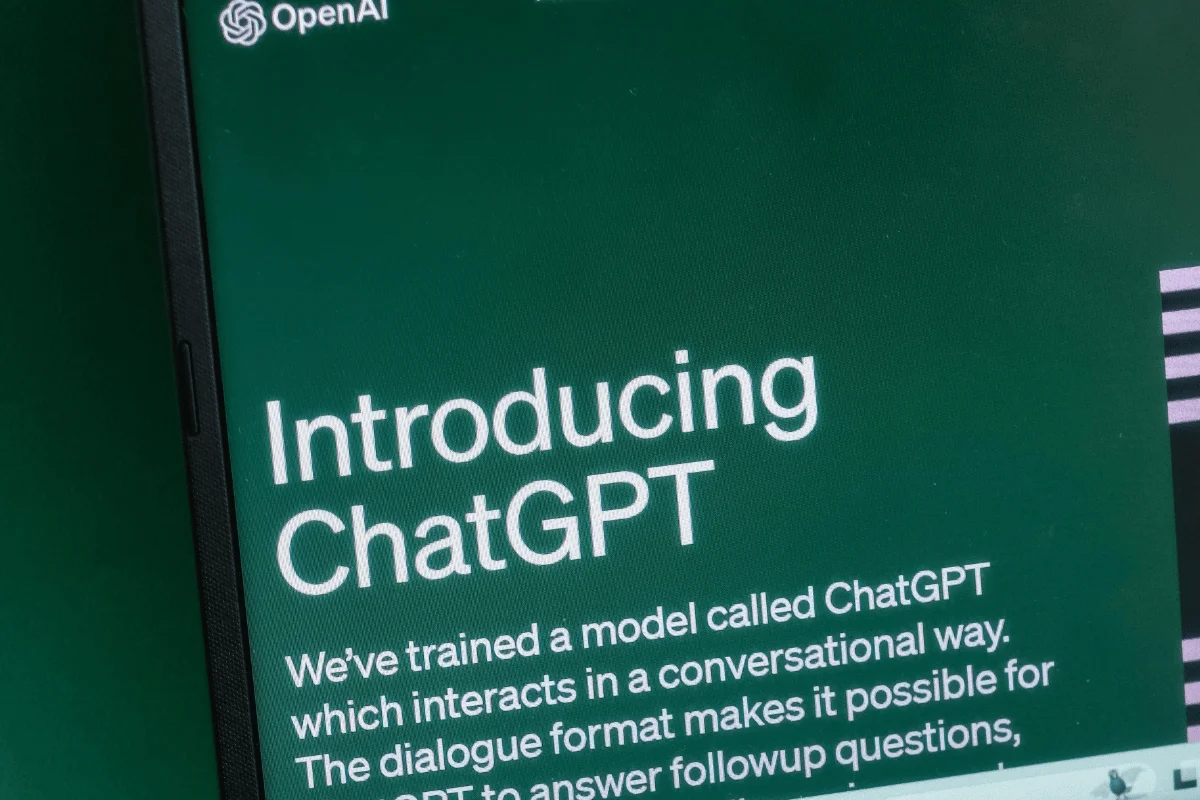
ChatGPT Search is an AI system that answers questions by pulling information from the sources it trusts most. Instead of listing web pages, it generates direct responses. If your brand is part of those responses, it means the large language models (LLMs) recognize your authority.
For businesses, this visibility goes beyond SEO. It shapes how AI systems perceive, quote, and recommend your brand when users ask for information in your domain. If ChatGPT can detect your website, understand your expertise, and verify your credibility, it can reference you, just like it would cite a trusted source.
How ChatGPT Sources and Ranks Information
ChatGPT is trained on a mix of licensed data, public sources, and trusted websites. When you ask a question, it doesn’t “search” live, but it draws from patterns it has learned and verified information it can access through its connected systems.
For a brand, this means your visibility depends on how easily ChatGPT can identify and trust your content. If your website and brand name appear consistently across credible pages, the model can rank your website higher in relevance when generating answers.
Key Ranking Signals ChatGPT Uses
ChatGPT rankings are shaped by how consistently your brand appears in reliable contexts.
Focus on these key elements if you want to rank in ChatGPT search results:
Brand Mentions: Accurate mentions of your brand or experts in trusted publications and websites.
Content Depth: Clear, original content that answers real questions, and not just keyword-stuffed summaries.
Source Authority: Whether your domain is seen as a reliable reference within its field.
Information Consistency: The same facts, tone, and structure are repeated across all your platforms.
How ChatGPT Search Differs from Traditional SEO
SEO rankings depend on crawlers, backlinks, and on-page optimization. ChatGPT rankings depend on how often and how confidently the model sees your brand as a valid source.
Here’s the key difference:
How to Enable ChatGPT to Access Your Content
If ChatGPT can’t access or understand your content, it can’t reference your brand in responses, no matter how strong your expertise is.
Some strategies to make your content accessible to ChatGPT are:
Make Your Website Crawlable: Ensure your robots.txt file doesn’t block your important pages. Keep metadata open and indexable so AI systems and search crawlers can recognize your pages as public sources.
Strengthen Site Structure: Use clear headings, internal links, and logical page hierarchies. ChatGPT pulls from structured content more easily because it mirrors how information is organized and related.
Use Consistent Brand Language: Ensure your brand name, founder details, and company description are the same across your website, social media, and media mentions. Consistency helps ChatGPT connect data points and identify your brand as one entity.
Add Author and Source Details: Include expert bylines, short bios, and source citations wherever possible. Models like ChatGPT weigh author transparency as a trust factor when referencing information.
Optimize Metadata and Schema: Use schema markup for articles, FAQs, and reviews. It provides AI systems with structured data to understand the context of your content, making it easier to rank your website in GPT results.
Keep Your Site Fast and Secure: A secure (HTTPS) and fast-loading website improves how both search engines and AI models process your content. Poor technical health can limit crawl access and content indexing.
How to Track Your ChatGPT Visibility and Performance
Tracking your brand’s visibility in ChatGPT isn’t as simple as checking Google rankings. But, with the right tools, you can measure LLM visibility, what’s being said, and how that compares with your competitors.
Here’s how to do it effectively:
Run an AI Visibility Audit: Start with a baseline. Use an AI visibility audit tool or service to see how often your brand appears in ChatGPT and similar models. This gives you a starting point for visibility, trust, and detectability.
Define What You’ll Measure: Decide which indicators matter most: brand mentions, citations, visibility score, or sentiment. Having clear metrics helps you compare performance over time.
Set Up Tracking for ChatGPT: Use a dedicated AI visibility tracker and configure it to monitor your brand name and main topics. Choose OpenAI GPT as the engine to focus specifically on ChatGPT rankings.
Monitor Brand Mentions and Rankings: Review your visibility score and examine where your brand appears within AI-generated responses. Note changes in how often you’re cited or referenced; that’s how to rank consistently in ChatGPT search.
Track Indirect Signals: Cross-check your AI visibility with real-world engagement:
Use Google Search Console to track branded search growth.
In Google Analytics, filter traffic sources that contain “gpt” to see AI-referred visits.
Tools for Tracking AI Search Performance
To implement these steps, you’ll need tools built to monitor AI visibility, as traditional SEO tools alone won’t capture it.
Some of the best tools for tracking AI search performance are:
Total Authority: Offers in-depth AI Visibility Audits that show how LLMs detect, interpret, and rank your brand across ChatGPT, Gemini, and other AI systems. We also offer benchmarking, competitor insights, and clear recommendations for improvement.
See how your brand appears in ChatGPT search by adapting early to AI-driven content ecosystems before your competitors do. Start your AI Visibility Audit now and see where you stand and how you can improve.
Peekaboo: Tracks how your brand appears in ChatGPT, Gemini, and Perplexity responses. However, it doesn’t explain why visibility changes or how to fix it.
Keyword.com’s AI Visibility Tracker: Monitors brand visibility, mentions, and sentiment across AI-generated results. But it lacks deeper audit features or data interpretation.
Ahrefs Brand Radar: Provides GPT ranking trends and competitor benchmarking. However, it focuses on comparative data and doesn’t provide detailed AI detection or trust signal analysis.
Advanced ChatGPT Ranking Tactics for Competitive Industries
When several brands in your space are already investing in SEO and AI visibility, ranking your brand in ChatGPT search requires a sharper approach.
Let’s look at a few tactics that make a real difference:
Publish First-Source Insights: Share original findings, opinions, or frameworks. ChatGPT prioritizes information that appears unique and directly attributed to a credible brand.
Use Consistent Expert Voices: Ensure that the same experts consistently represent your brand across blogs, podcasts, and interviews. The model recognizes recurring names and associates them with authority.
Strengthen External Mentions: Use reputable publications, niche directories, or curated industry lists. These sources signal reliability and can boost ranking in GPT results.
Common Mistakes That Hurt ChatGPT Rankings
Even strong brands can miss out on GPT visibility because of small but repeated mistakes, including:
AI-Rewritten or Generic Content: ChatGPT values originality. Recycled content from AI tools lowers your credibility signals. If your brand sounds like everyone else, it won't stand out.
Overusing Keywords: The model doesn’t rely on keyword density; instead, it reads for meaning. Write naturally and clearly instead.
Poor Source Linking: Not citing data, missing outbound references, or linking to weak sources can reduce your perceived authority.
Neglecting Entity Optimization: Skipping schema, author bios, or structured data makes it harder for AI systems to identify and rank your website.
Frequently Asked Questions (FAQs)
Before wrapping up, here are some FAQs that break down what really influences ChatGPT rankings:
Can You Rank a Brand in ChatGPT Search Results?
Yes, but ChatGPT doesn’t use traditional search rankings. It retrieves and prioritizes information from sources it considers credible and visible.
Your brand can “rank” within ChatGPT responses if it’s detectable, trusted, and frequently referenced in the data the model draws from.
What are the Key Elements of ChatGPT Rankings?
The three major elements that impact your ChatGPT rankings are:
Detection: How easily the model identifies your brand in context.
Trust Signals: Mentions, citations, and consistent brand information across the web.
Authority Consistency: Clear alignment between your website, digital footprint, and expert positioning.
Can Rank Authority Be Built Within ChatGPT?
Absolutely. While there’s no “submit URL” or “ranking algorithm,” you can build authority within ChatGPT by:
Publishing original, high-value insights (not AI-rewritten content).
Being cited or quoted by credible sources.
Aligning metadata and brand narratives across platforms.
What Role Does Content Play in ChatGPT Ranking?
A decisive one. AI models evaluate the signal-to-noise ratio of your content, the balance between originality and repetition.
Consistent, data-backed, and thought-leading content helps your website rank in ChatGPT responses by feeding the ecosystem that shapes model perception.
Conclusion
Ranking your brand in ChatGPT search isn’t complicated once you know what matters: clear content, consistent branding, and credible mentions across the web. When AI systems like ChatGPT can identify and trust your voice, your visibility improves automatically.
The best part is, you don’t need to guess where you stand. With a clear audit and structured strategy, you can see exactly how AI models perceive your brand and what to fix to boost ranking across GPT results.
Want to understand how your brand ranks in ChatGPT searches?
With data-backed visibility audits and actionable insights, Total Authority reveals how LLMs like ChatGPT perceive your brand and identifies what’s hindering you from being recognized as a credible source.
Want to see how AI interprets your website and reputation? Get your AI Visibility Audit today.